Bicycle Accident Attorney Assistance in Madison, MS

The Stutzman Law Firm, PLLC • March 26, 2026

Bicycle Accident Attorney Assistance in Madison, MS

Cyclists injured in Madison, MS accidents face serious injuries and complex legal questions about liability, insurance coverage, and fair compensation for their losses.

What Are Your Rights as a Cyclist After a Vehicle Collision?

Mississippi law treats bicycles as vehicles, giving cyclists the same road rights and protections as motor vehicle operators under state traffic laws.

Cyclists must follow traffic signals, ride in the direction of traffic, and use lights at night. Drivers must yield right-of-way, maintain safe passing distances, and avoid opening doors into bike lanes. When drivers violate these rules and cause crashes, they're liable for cyclist injuries.

Comparative negligence applies if you contributed to the crash. Insurers argue cyclists caused accidents by running stop signs or riding unpredictably. Your attorney gathers evidence—witness statements, video footage, accident reconstruction—to prove the driver's fault outweighed any minor error you made.

How Do Road Hazards Cause Bicycle Accidents?

Potholes, loose gravel, uneven pavement, debris, and poorly maintained surfaces create dangerous conditions that cause cyclists to lose control and crash.

Unlike cars, bicycles can't absorb impacts from road defects. Hitting a deep pothole throws riders over handlebars. Gravel in curves causes tire slippage. Uneven pavement edges trap narrow tires, pulling bikes off course. Municipalities have a duty to maintain safe roads. If poor maintenance caused your crash, your attorney investigates government liability.

Construction zones pose additional risks. Sudden lane closures, missing signage, and debris force cyclists into traffic. Contractors and municipalities share responsibility for maintaining safe passage through work zones.

For related injury claims, explore slip-and-fall accident attorney services in Madison for premises liability cases.

Can You Recover Compensation for Bicycle Accident Injuries?

Yes, injured cyclists can recover damages for medical expenses, lost wages, property damage, pain and suffering, and permanent injuries caused by crashes.

Bicycle accidents cause severe injuries because riders lack protection. Victims suffer head trauma, facial fractures, broken bones, road rash, spinal injuries, and internal damage. Treatment includes emergency care, surgeries, hospital stays, rehabilitation, and ongoing therapy. Your attorney documents every medical expense and ensures your settlement covers future care needs.

Property damage includes your bicycle, helmet, clothing, and other equipment destroyed in the crash. Lost wages compensate you for time away from work during recovery. Pain and suffering damages address physical discomfort, emotional distress, and reduced quality of life.

Does Madison's Growing Cycling Community Face Increased Risks?

Yes, as more residents cycle for recreation and transportation, conflicts with drivers unfamiliar with sharing the road have led to more collisions.

Madison's residential neighborhoods, parks, and greenways attract cyclists, but not all roads have dedicated bike lanes. Drivers accustomed to car-only traffic may not anticipate cyclists at intersections or in shared lanes. Popular routes like Old Canton Road see heavy mixed-use traffic, increasing collision risk. Your attorney investigates whether inadequate infrastructure or driver negligence caused your accident.

Learn about dog bite attorney representation in Madison if a loose animal caused your cycling accident.

Bicycle accidents disrupt your life and leave you with serious injuries. Legal representation ensures drivers and municipalities are held accountable for the harm they caused. The Stutzman Law Firm, PLLC provides dedicated advocacy for injured cyclists in Madison. Explore your options by calling 769-208-5683 for a free consultation.

By The Stutzman Law Firm, PLLC March 26, 2026
Pedestrian accident attorney in Pearl, MS seeks compensation for traffic collision injuries, medical bills, and lost wages for vulnerable road users.
By The Stutzman Law Firm, PLLC March 26, 2026
Slip-and-fall accident attorney in Brandon, MS handles premises liability claims for injuries at commercial and residential properties throughout the area.
March 13, 2026
The body content of your post goes here. To edit this text, click on it and delete this default text and start typing your own or paste your own from a different source.
March 4, 2026
Mississippi requires drivers to carry only $25,000 in liability coverage per person and $50,000 per accident. At first glance, $25,000 sounds like a significant amount of money. In the context of a motor vehicle collision involving injuries, it often is not. How Quickly $25,000 Can Disappear Medical expenses add up faster than most people realize. Consider a fairly routine post-collision scenario: Ambulance transport Emergency room evaluation Diagnostic imaging (X-rays, CT scans, or MRIs) Follow-up visits
March 3, 2026
Spring storms are rolling across Mississippi again. When the rain hits, crash reports tend to rise right along with it. One of the most common phrases people say after a wet-weather wreck is: “I just lost control.” But here’s the reality: rain itself doesn’t cause crashes. Driving too fast for conditions does. Let’s talk about why. What Is Hydroplaning? Hydroplaning happens when your tires lose contact with the road and begin riding on a thin layer of water instead of pavement. When that occurs: Steering becomes ineffective Braking distance increases dramatically The vehicle can slide in any direction Many people assume hydroplaning only happens at high speeds. That’s not true. It can occur at speeds as low as 35 to 40 miles per hour, especially if: Tires are worn or underinflated There is standing water on the roadway The vehicle is traveling too fast for the amount of rain Once a vehicle begins hydroplaning, the driver has very limited control. By that point, the opportunity to prevent the crash has already passed. The Legal Side: “I Lost Control” Is Not a Defense Under Mississippi law, drivers have a duty to operate their vehicles reasonably and prudently under the circumstances. That includes adjusting speed for weather, road conditions, and visibility. Rain is not a surprise. Wet pavement is not a hidden hazard. Courts and insurance companies look at whether a driver adjusted appropriately for the conditions. If a driver is traveling at a speed that is technically within the posted limit but unsafe for heavy rain, that driver can still be found at fault. The posted speed limit is the maximum allowed under ideal conditions. It is not a guarantee that the speed is safe in a storm. Why Hydroplaning Cases Can Be Complicated Hydroplaning crashes often involve: Single-vehicle impacts that lead to secondary collisions Rear-end collisions caused by increased stopping distance Multi-car accidents during heavy storms Insurance companies sometimes try to frame these cases as “just weather” or “unavoidable accidents.” But weather does not relieve a driver of responsibility. The question becomes whether the driver exercised reasonable care given the road conditions. That analysis can include: Speed at the time of impact Tire condition Following distance Visibility Prior driving behavior Every case turns on its specific facts. How to Reduce Your Risk in Heavy Rain While no one can eliminate all risk on the road, you can significantly reduce the likelihood of hydroplaning by: Slowing down before you hit standing water Increasing following distance Replacing worn tires promptly Ensuring proper tire pressure Avoiding sudden braking or sharp steering movements Small adjustments make a significant difference. If You’ve Been Injured in a Wet-Weather Crash If you were injured in a crash during heavy rain, do not assume the weather automatically makes the incident “no one’s fault.” Liability depends on whether the driver acted reasonably under the conditions. If you have questions about your situation, it’s important to get clarity before giving recorded statements or accepting an early settlement offer. Understanding your rights early can make a meaningful difference. Mississippi roads can change quickly when storms move through. Drive carefully. Adjust for the conditions. And if you ever need guidance after a crash, make sure you understand the full picture before making decisions. Call us today at (769) 208-5683 for a free consultation. 
February 18, 2026
In many car accident cases, liability comes down to one thing: proof. Two drivers. Two stories. Completely different versions of what happened. One says the light was green. The other says it was red. One says the other driver swerved. The other says they stayed in their lane. Witnesses forget. Stories change. Dash cameras do not. Why Dash Cameras Matter in Mississippi Car Wreck Cases As a personal injury attorney, I see it all the time. After a crash, memories are foggy. People are shaken up. Details get confused. Sometimes, people simply tell a version of events that helps their case. When that happens, the case often becomes a credibility battle. A dash camera can end that battle in seconds. Clear video footage can: • Show which driver had the right of way • Capture lane position and traffic signals • Document sudden braking or unsafe lane changes • Record road conditions and weather • Provide timestamps that verify when the crash occurred Instead of arguing about what happened, you have evidence. And evidence carries weight. Insurance Companies Rely on Inconsistencies Insurance companies look closely at statements and inconsistencies. If your description of the accident changes slightly over time, they may use that against you. A dash cam removes doubt. It protects you from false claims. It protects you from exaggerated stories. It protects you when the other driver decides to shift blame. In short, it protects the truth. Are Dash Cameras Expensive? Not anymore. Quality dash cameras are widely available at a variety of price points. Many are easy to install and plug directly into your vehicle’s power outlet. Some even connect to your phone for instant access to footage. For a relatively small investment, you gain a powerful layer of protection. What Happens If You Don’t Have One? Without video, your case may depend on: • Your testimony • The other driver’s testimony • Any available witnesses • The investigating officer’s report Sometimes that is enough. Sometimes it is not. When there are no independent witnesses, and both drivers blame each other, cases can become difficult and expensive to litigate. Video changes that dynamic immediately. Protect Yourself Before You Need It No one plans to be involved in a crash. But if it happens, you want the strongest possible position from the start. A dash camera is not about being paranoid. It is about being prepared. Protect yourself. Protect your family. Protect the truth. Call us today at (769) 208-5683 for a
February 16, 2026
What a police accident report actually does A police accident report provides a snapshot of what an officer observed at the scene of a crash. It typically includes statements from the drivers, any available witnesses, basic vehicle information, road conditions, and the officer’s initial impressions. What it does not do is decide civil liability. Police officers do not determine fault for purposes of a personal injury claim. Their role is to document, not to issue legal conclusions about who is responsible for damages. Why accident reports can be incomplete Even thorough accident reports have limitations. Officers arrive after the crash has already occurred and must work with the information available at that moment. Common issues include: • Witnesses leaving before statements are taken • Drivers being shaken, injured, or unsure of details • No immediate access to video footage or electronic data • Injuries that are not obvious at the scene An incomplete report does not mean the officer made a mistake. It simply reflects the reality of crash investigations. How liability can change after a car accident report As a car accident claim progresses, additional evidence often becomes available. This may include photographs, surveillance or dashcam footage, vehicle damage analysis, phone records, and medical documentation. When new evidence is reviewed, fault can be reassessed. In some cases, responsibility is shared differently than initially assumed. In others, facts emerge that were not known at the time the accident report was written. This is why an insurance company’s reliance on “what the report says” is not always the end of the discussion. Why accident reports matter in Mississippi personal injury claims Insurance companies often treat accident reports as if they are definitive. While they are important, they are only one piece of the overall liability analysis. In Mississippi personal injury cases, liability is based on the totality of the evidence, not a single document. A less-than-perfect accident report does not automatically prevent an injured person from pursuing a valid claim. The bottom line A police accident report is an important starting point after a car wreck. It helps frame early discussions about fault and insurance coverage. But it does not decide the outcome of a personal injury case by itself. If you were injured in a car accident and have questions about how an accident report affects liability, understanding the process early can make a meaningful difference later. Call us today at (769) 208-5683 for a free consultation.
February 3, 2026
If you’ve ever driven down the highway in Mississippi, you’ve seen them. Billboards showing smiling people holding oversized checks, implying that a car accident leads to an instant payday. That image sticks with people. And unfortunately, it creates unrealistic expectations about how personal injury cases actually work. The truth is simple: a personal injury case is not a lottery ticket. It’s about accountability, responsibility, and fair compensation when someone is genuinely harmed. Big Recoveries Usually Follow Serious Injuries When you hear about a large settlement or verdict, there’s almost always a serious story behind it. Those cases typically involve catastrophic injuries, long hospital stays, surgeries, permanent disability, or even loss of life. There’s nothing celebratory about those outcomes. No amount of money makes someone whole after life-altering harm. The compensation exists because the harm is real, significant, and often irreversible. Insurance Coverage Has Limits One of the most common surprises for clients is learning that fault and damages are only part of the equation. Insurance coverage matters just as much. In many cases: • Coverage is lower than people expect • Multiple injured parties are competing for the same policy • Or there is no applicable coverage at all Even when liability is clear, recovery is capped by the insurance available. That’s not advertising talk. That’s reality. Commercial Vehicle Cases Aren’t Automatic Windfalls There’s a widespread belief that if a wreck involves a commercial vehicle or an 18-wheeler, the case is automatically worth millions. That’s simply not true. Commercial cases still require proof of liability, causation, and damages. Insurance policies still have limits. And not every company has deep pockets or unlimited coverage. These cases can be complex, hard-fought, and far from guaranteed. Beware of Easy Promises If someone tells you your case is a “slam dunk” or promises quick, easy money, that should give you pause. Every legitimate personal injury claim depends on facts, evidence, medical records, and applicable insurance. There are no shortcuts, and there are no guarantees. An attorney’s job is not to sell hope. It’s to explain the reality of your situation and guide you through it. What a Personal Injury Case Is About At its core, a personal injury case is about: • Being treated fairly • Having medical bills and lost wages addressed • Holding the responsible party accountable • Protecting your future when an injury changes your life It’s not about jackpots or headlines. It’s about real people dealing with real consequences. Final Thought  Billboards and commercials show the outcome everyone wants. They don’t show the injuries, the uncertainty, or the limits that exist in nearly every case. If you’ve been injured, you deserve straight answers and realistic expectations from the beginning. That’s how trust is built, and that’s how good decisions are made. If you have questions about a real injury claim in Mississippi, it’s worth having an honest conversation before assuming anything based on an ad. Call us today at (769) 208-5683 for a free consultation.
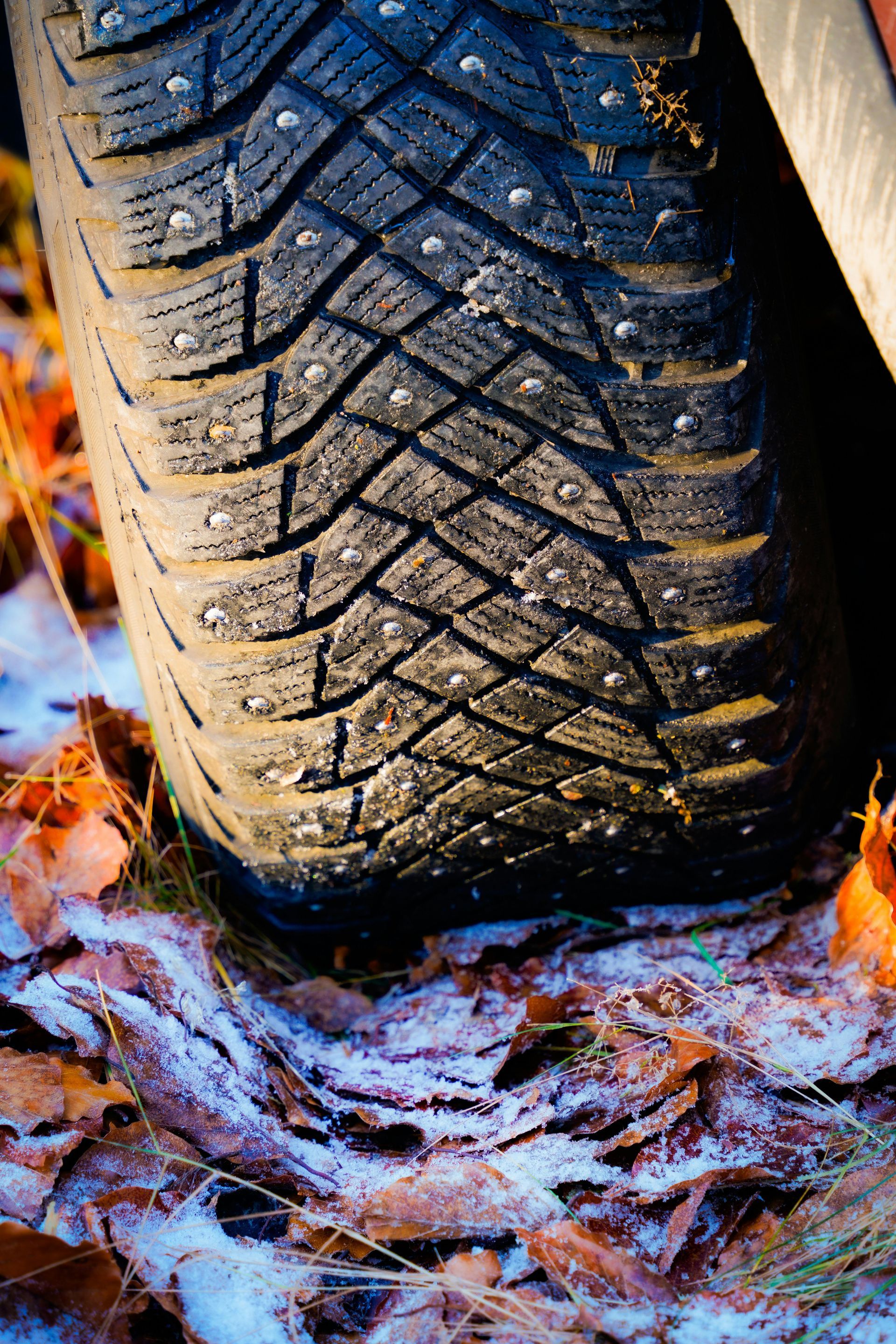
tire with studs for winter weather riving
By Ronald Stutzman January 27, 2026
When most people think about winter driving hazards, they picture snow and ice. But the reality is that cold weather alone can significantly affect how your vehicle handles, even on dry roads. One of the most overlooked factors is your tires. As temperatures drop, the rubber in your tires becomes stiffer. This reduces traction, increases stopping distances, and makes it easier to lose control of your vehicle. In winter conditions, your tires are often the difference between a close call and a serious accident. Cold Weather Reduces Traction Tires are designed to grip the road by staying flexible. Cold temperatures cause tire rubber to harden, which limits how well it can conform to the surface of the road. This means: Less grip during braking Reduced ability to turn or maneuver Longer stopping distances Even if there is no visible ice or snow, cold pavement alone can create hazardous driving conditions. Tire Pressure Drops in Cold Weather Cold air causes tire pressure to decrease. For every 10-degree drop in temperature, tire pressure can fall by about one PSI. Underinflated tires: Handle poorly Wear unevenly Increase the risk of blowouts Reduce braking effectiveness Checking your tire pressure regularly during winter is one of the simplest and most effective safety steps you can take. Tread Depth Is Critical Tire tread is designed to move water, slush, and debris away from the contact point between your tire and the road. When tread is worn: Hydroplaning becomes more likely Wet roads become more dangerous Traction is significantly reduced If your tread depth is low, winter conditions will magnify the risk. Adjust Your Driving for Winter Conditions Even with good tires, winter driving requires adjustments: Slow down Increase your following distance Brake earlier and more gently Avoid sudden steering or acceleration Many winter accidents happen not because of extreme conditions, but because drivers underestimate how much cold weather changes vehicle performance. A Simple Safety Reminder Most winter wrecks are not caused by snowstorms. They are caused by everyday drivers on cold roads who don’t realize how much their stopping ability and traction have changed. Taking a few minutes to check your tires could prevent a serious accident. Staying informed and prepared is one of the best ways to protect yourself and your family on Mississippi roads this winter. Call us today at (769) 208-5683 for a free consultation.
January 22, 2026
When temperatures drop, Mississippi roads can become dangerous in ways many drivers don’t expect. Even when there’s no snow on the ground, cold weather creates conditions that increase the risk of car accidents and serious injuries. Winter wrecks are often labeled as “minor” by insurance companies. In reality, they can lead to very real and lasting harm. Why Cold Weather Makes Driving More Dangerous Cold mornings bring a unique set of hazards. Bridges, overpasses, and shaded areas freeze first, often without visible warning. What looks like a dry road can quickly turn slick, especially during early morning commutes. Drivers also tend to underestimate how much longer it takes to stop in cold conditions. Tires lose traction, braking distances increase, and sudden slowdowns often result in rear-end collisions. Low-Speed Does Not Mean Low Injury One of the biggest misconceptions surrounding winter crashes is that low speeds equal minor injuries. That’s simply not true. Many cold-weather wrecks happen at slower speeds, but the forces involved can still cause: Neck and back injuries Soft-tissue damage Aggravation of pre-existing conditions Delayed pain that appears days later Adrenaline often masks symptoms immediately after a crash. It’s common for people to feel “fine” at the scene, only to experience stiffness, headaches, or worsening pain in the days that follow. Why Insurance Companies Downplay Winter Crashes Insurance adjusters frequently minimize cold-weather accidents by focusing on vehicle damage instead of physical injury. Phrases like “minor impact” or “low-speed collision” are often used to justify low settlement offers or claim denials. What matters is not how fast the vehicles were moving. What matters is how your body was affected. Medical documentation, early treatment, and accurate records play a critical role in protecting your claim. What You Should Do After a Cold-Weather Wreck If you’re involved in a crash during cold weather: Seek medical evaluation, even if symptoms seem mild; Document the accident scene and road conditions’; Follow through with recommended treatment; and Avoid assuming the claim will “work itself out” Waiting too long can make injuries harder to prove and easier for insurance companies to dispute. Protect Yourself When Temperatures Drop Winter driving requires extra caution, and winter accidents deserve to be taken seriously. If you’ve been injured in a cold-weather crash, understanding your rights early can make a significant difference. Cold roads can lead to real injuries. Knowing your rights helps you protect yourself when it matters most. Call us today at (769) 208-5683 for a free consultation.