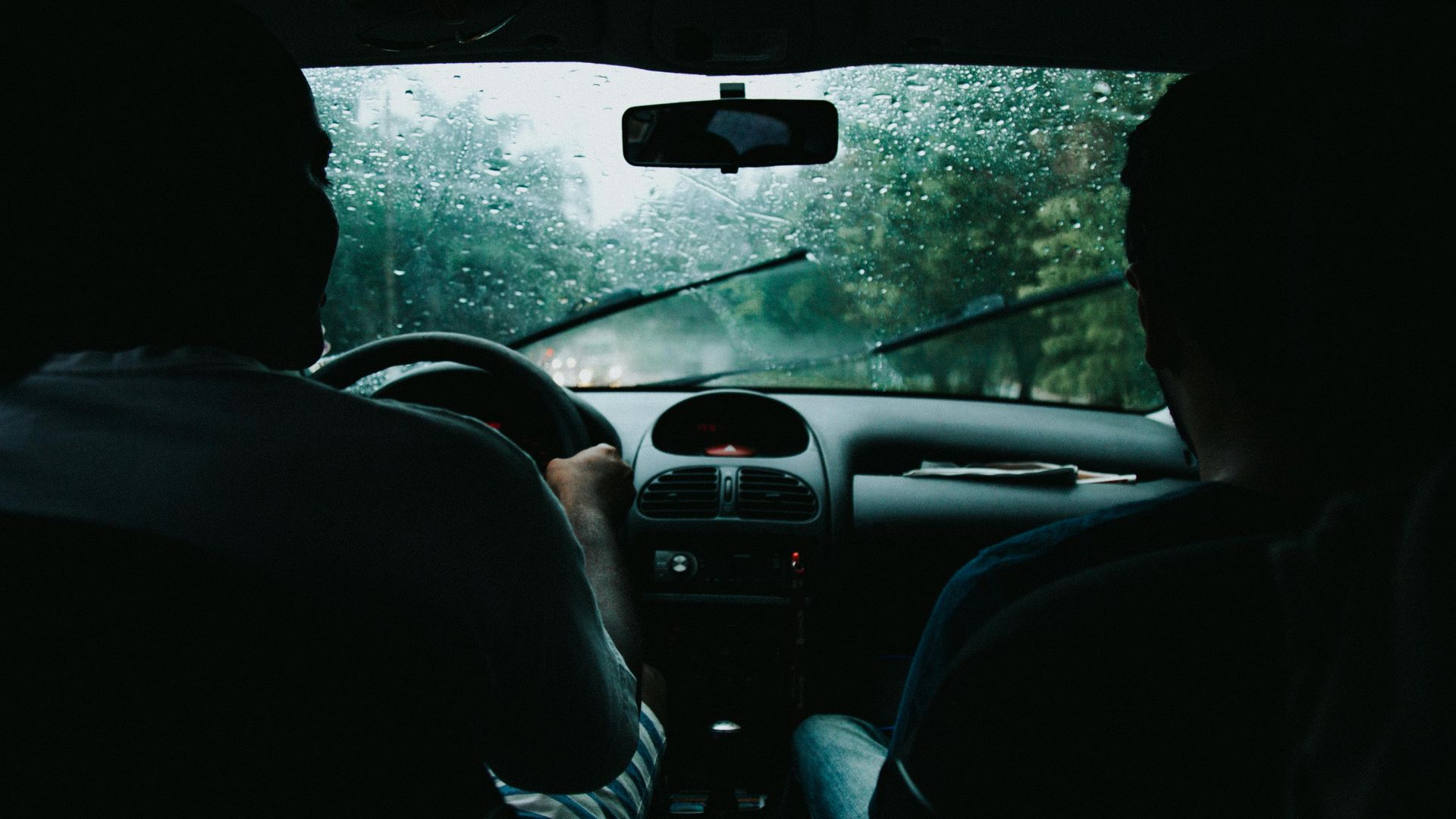
Cold Roads. Real Injuries. Know Your Rights.
When temperatures drop, Mississippi roads can become dangerous in ways many drivers don’t expect. Even when there’s no snow on the ground, cold weather creates conditions that increase the risk of car accidents and serious injuries.
Winter wrecks are often labeled as “minor” by insurance companies. In reality, they can lead to very real and lasting harm.
Why Cold Weather Makes Driving More Dangerous
Cold mornings bring a unique set of hazards. Bridges, overpasses, and shaded areas freeze first, often without visible warning. What looks like a dry road can quickly turn slick, especially during early morning commutes.
Drivers also tend to underestimate how much longer it takes to stop in cold conditions. Tires lose traction, braking distances increase, and sudden slowdowns often result in rear-end collisions.
Low-Speed Does Not Mean Low Injury
One of the biggest misconceptions surrounding winter crashes is that low speeds equal minor injuries. That’s simply not true.
Many cold-weather wrecks happen at slower speeds, but the forces involved can still cause:
- Neck and back injuries
- Soft-tissue damage
- Aggravation of pre-existing conditions
- Delayed pain that appears days later
Adrenaline often masks symptoms immediately after a crash. It’s common for people to feel “fine” at the scene, only to experience stiffness, headaches, or worsening pain in the days that follow.
Why Insurance Companies Downplay Winter Crashes
Insurance adjusters frequently minimize cold-weather accidents by focusing on vehicle damage instead of physical injury. Phrases like “minor impact” or “low-speed collision” are often used to justify low settlement offers or claim denials.
What matters is not how fast the vehicles were moving. What matters is how your body was affected.
Medical documentation, early treatment, and accurate records play a critical role in protecting your claim.
What You Should Do After a Cold-Weather Wreck
If you’re involved in a crash during cold weather:
- Seek medical evaluation, even if symptoms seem mild;
- Document the accident scene and road conditions’;
- Follow through with recommended treatment; and
- Avoid assuming the claim will “work itself out”
Waiting too long can make injuries harder to prove and easier for insurance companies to dispute.
Protect Yourself When Temperatures Drop
Winter driving requires extra caution, and winter accidents deserve to be taken seriously. If you’ve been injured in a cold-weather crash, understanding your rights early can make a significant difference.
Cold roads can lead to real injuries. Knowing your rights helps you protect yourself when it matters most.
Call us today at (769) 208-5683 for a free consultation.