
School’s Out, Safety’s In: Drive Like Your Kids Live Here
May 19, 2025
School’s Out, Safety’s In: Drive Like Your Kids Live Here

With summer in full swing across Mississippi, school buses are parked, backpacks are on the shelf, and children are back outside—riding bikes, walking dogs, playing tag, and chasing down the ice cream truck.
And while summer may bring a sense of freedom and fun, it also brings a very real increase in risk—especially when it comes to neighborhood traffic safety.
At The Stutzman Law Firm,
we’ve seen firsthand the devastating consequences of distracted or careless driving. As personal injury attorneys based in Jackson, Mississippi, we’re here to protect your rights—but we’d much rather help prevent tragedy in the first place.
Why Summer Streets Are More Dangerous
Without school in session, more children are home during the day. That means:
- More kids playing outside, often near driveways and roads.
- Increased pedestrian and bicycle traffic, especially in residential areas.
- Unsupervised or unpredictable behavior, especially among younger children
Many of these children may not fully understand the dangers of cars or the rules of the road. The responsibility to keep them safe lies with the adults behind the wheel.
A Moment of Distraction Can Change Everything
Texting. Changing a playlist. Reaching for a dropped item. These everyday distractions may seem harmless—but they can turn deadly in seconds.
According to the CDC, distracted driving kills over 3,000 people in the U.S. each year. During summer, that number rises—especially among vulnerable road users like children.
Safety Tips for Summer Driving
To keep our streets—and our kids—safe this summer, follow these essential safety reminders:
- Slow down in neighborhoods and school zones—even if school’s out.
- Stay alert at all times, especially near parks and playgrounds.
- Put the phone away. Texts and calls can wait.
- Expect the unexpected. Children may dart into the street without warning.
- Avoid backing out blindly. Always check your rearview and surroundings before reversing out of a driveway
If the Unthinkable Happens, We’re Here to Help
No parent should have to face the trauma of a child being injured—or worse—because of someone else’s negligence. And if your family is affected by a careless driver, you don’t have to go through it alone.
The Stutzman Law Firm is here to help families seek justice and accountability. Our mission is simple: protect the people of Mississippi, hold wrongdoers accountable, and make our communities safer—one case at a time.
Drive safe. Drive smart. And drive like your kids live here.
Call us today at (769) 208-5683
for a free consultation.

This is a subtitle for your new post
Expert wrongful death guidance for Madison residents. Learn what to expect from the legal process and how to protect your family's rights after a loss.
Find reliable motorcycle accident legal help in Brandon. Local insights and tips to help Brandon residents make informed decisions after a crash.
If you’ve been in a car wreck that wasn’t your fault, your first instinct is usually this: “I didn’t do anything wrong. This should be straightforward.” And it should be. But in the real world, that’s not always how it works. I’ve seen plenty of cases where someone was clearly in the right… and still struggled to recover what they deserved. Why? Because being right is only part of the equation. The Reality: It’s About What You Can Prove In a personal injury case, everything comes down to evidence. Not assumptions. Not common sense. Not even what actually happened. What matters is what can be proven through: Medical records Photographs and video Witness statements Police reports Consistent documentation over time If it’s not documented, it becomes much harder to defend and much easier for an insurance company to question. And that’s exactly what they’re trained to do. Where Cases Start to Break Down Even strong cases can lose value when certain issues show up. Here are some of the most common: 1. Delayed Medical Treatment A lot of people feel “okay” right after a crash. Adrenaline is real. Pain can take hours or even days to fully set in. But from an insurance company’s perspective, delays raise questions: Were you really hurt? Did something else cause the injury? The longer the gap, the harder it becomes to connect your injuries to the crash. 2. Gaps in Treatment Consistency matters. If you start treatment and then stop for weeks or months, it creates doubt: Did you recover? Was the injury serious? Even if there’s a reasonable explanation, gaps can be used to reduce the value of your claim. 3. Lack of Documentation Photos, videos, and records matter more than people realize. Without them: Vehicle damage can be minimized Injuries can be questioned The overall impact of the crash can be downplayed You’re asking an insurance company to believe something. They’re looking for reasons not to. 4. Limited Insurance Coverage This is the part no one likes to hear. Even when everything is done right, recovery can be limited by available insurance. If the at-fault driver only carries minimum coverage, there may simply not be enough money available to fully compensate you. That’s not about fault. It’s about coverage. Why This Matters Insurance companies are not neutral. Their job is to evaluate claims and protect their bottom line. That doesn’t make them the enemy. It just means you need to understand the system you’re dealing with. They look at: Documentation Consistency Timing Credibility If something doesn’t line up, they will use it. What You Should Do After a Crash If you take nothing else from this, remember these basics: Get medical attention as soon as possible; Follow your treatment plan consistently; Document everything (photos, symptoms, expenses); Be careful what you say, especially early on; and Don’t assume things will “work themselves out” Small decisions early can have a big impact later. Final Thought You can be completely in the right and still run into problems if your case isn’t properly documented and supported. That’s the reality. Facts don’t win cases. Proven facts do. Call us today at (769) 208-5683 for a free consultation.
Find reliable car accident guidance in Pearl. Learn what to expect from recorded statements and how Pearl residents can protect their rights after a crash.
Expert slip-and-fall guidance for Ridgeland residents. Learn how to choose the right attorney and what to expect from quality personal injury representation.
Find reliable truck accident representation in Jackson. Local insights and tips to help Jackson residents make informed decisions about their legal case.
Expert car accident guidance for Flowood residents. Learn how to choose the right lawyer and what to expect from quality legal representation.

The body content of your post goes here. To edit this text, click on it and delete this default text and start typing your own or paste your own from a different source.
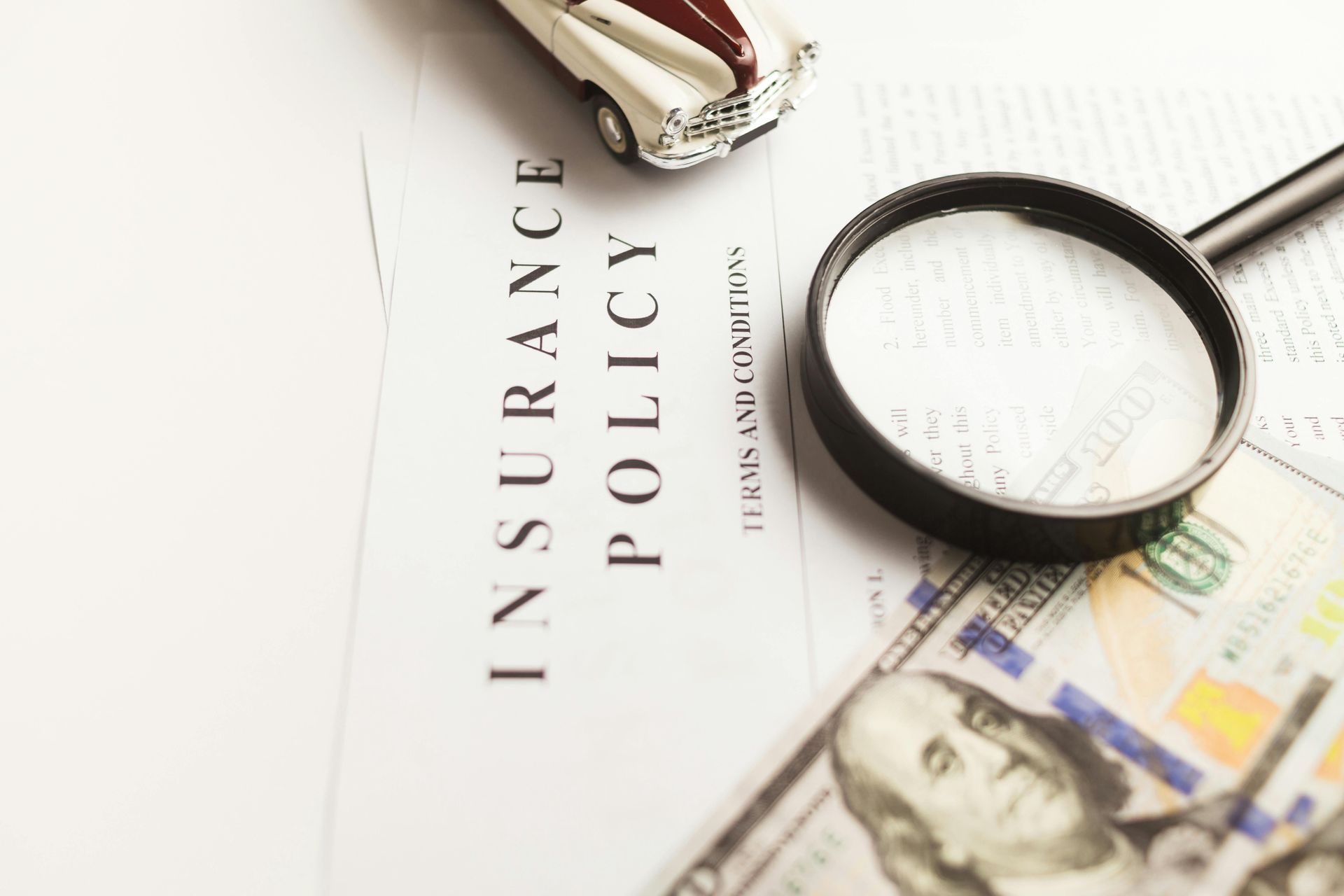
Mississippi requires drivers to carry only $25,000 in liability coverage per person and $50,000 per accident. At first glance, $25,000 sounds like a significant amount of money. In the context of a motor vehicle collision involving injuries, it often is not. How Quickly $25,000 Can Disappear Medical expenses add up faster than most people realize. Consider a fairly routine post-collision scenario: Ambulance transport Emergency room evaluation Diagnostic imaging (X-rays, CT scans, or MRIs) Follow-up visits